







Search Results for: ring-shaped cup
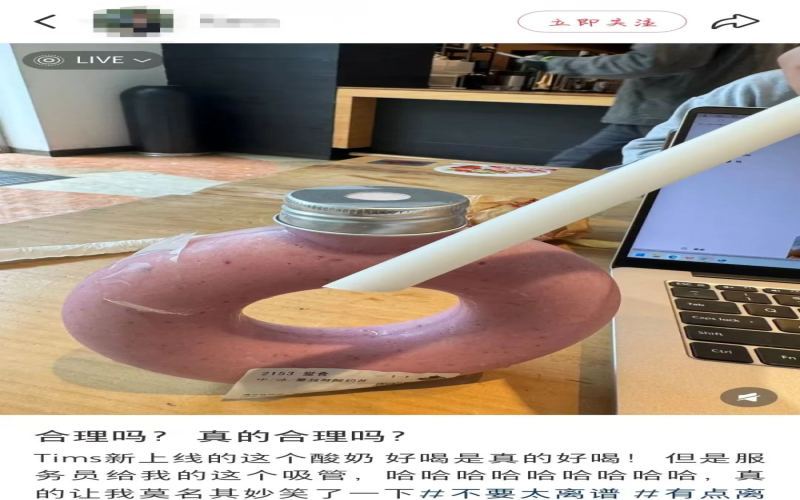
Tims' ring-shaped cup paired with a straight straw sparks heated debate, with the creativity of the packaging, its practicality, and serving efficiency called into question
Tims' newly launched fruit and vegetable drink "Cranberry Yogurt Smoothie" quickly caught consumers' attention with its unique ring-shaped packaging cup, and many people even placed orders specifically for this oddly shaped cup. However, when customers received the drink, they found that it came with a straight, thick straw, and the combination with the ring-shaped cup made people exclaim, "Is this reasonable?" The smoothie has a thick texture, and the straight straw can hardly reach the bottom inside the ring-shaped bottle, so customers had no choice but to unscrew the cap and drink directly. At the same time, Tims employees also complained that the ring-shaped cup affected service efficiency, as the slushy drink was difficult to pour into the narrow bottle opening. Whether this creative packaging is a bonus or a trouble maker has sparked widespread discussion. [more…]
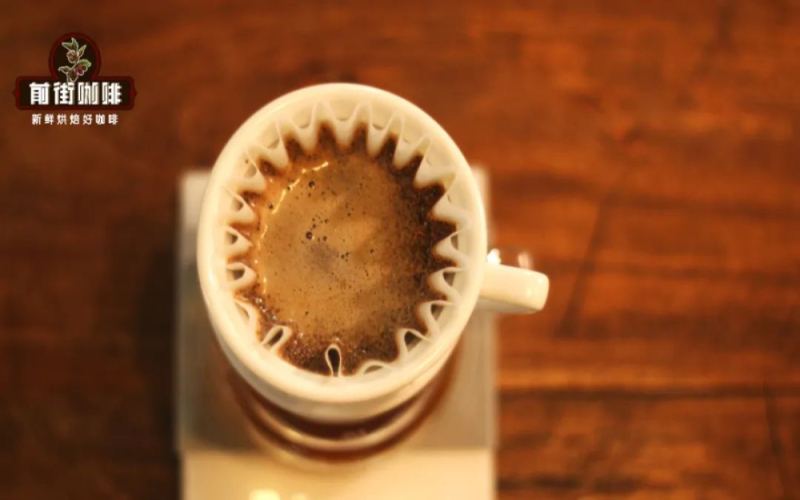
Why Is the Flat-Bottom Dripper Considered Beginner-Friendly? A Full Breakdown of the Cake Filter Cup Structure and Compatible Brewing Methods
When it comes to choosing a dripper, there is a common consensus: flat-bottom drippers offer a larger margin for error and are friendlier to those just getting into pour-over. Front Street Coffee has also mentioned in several articles that the flat-bottom structure has a natural advantage when it comes to even extraction. So what mechanism actually makes this possible? This article will clarify the differences between flat-bottom and conical drippers from the perspectives of coffee bed shape, rib design, and drainage hole layout. With the cake dripper as the main thread, it will also introduce the approaches of different schools such as Melitta 101, Lili, Ice Eye B75, Torch Donut, and April Brewer, helping you understand what kind of brewing approach flat-bottom drippers are suited to, and the role they play in the "fine grind, fast brew" trend. [more…]

Analysis of Why Hand Coffee Grinders Produce Too Many Fines: A Comparison of Conical vs. Flat Burr Structures
In the coffee grinding process, the production of fines is almost an unavoidable phenomenon, regardless of whether one uses expensive professional-grade grinders or entry-level manual grinding equipment. However, the proportion of fines directly affects the stability of brewing and the final flavor presentation. Choosing a suitable grinder can, to a certain extent, help us reduce the troubles caused by fines. Front Street Coffee specifically conducted a comparative test on the differences in fines generation between manual coffee grinders and electric coffee grinders, analyzing the differences in grinding performance between the two from the perspective of burr structure, helping coffee enthusiasts more clearly understand the characteristics of different devices in grinding function, so as to make choices that better suit themselves. [more…]
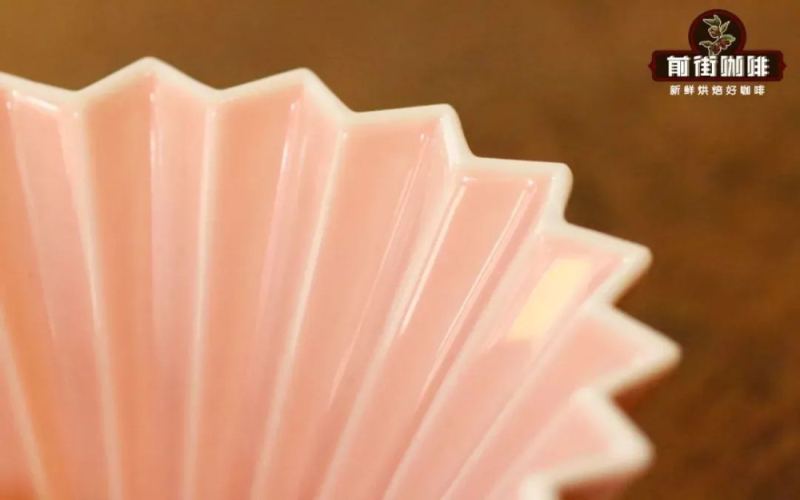
Origami Dripper Bean Suitability Analysis: Design Highlights, Brewing Recipes, and Practical Pros and Cons
The Origami dripper, with its angular shape and Nordic minimalist style, has become a familiar sight in cafés and equipment stores. Designed by Yasuo Suzuki, it can be used with either conical filters or cake filters, offering two completely different brewing experiences. Its fame grew even further when Du Jianing, the 2019 WBrC champion, used it. However, this dripper also has shortcomings, such as the lack of a base and limited coffee capacity. Front Street Coffee once conducted a comparative brew using blueberry beans from Costa Rica's Giant Stone Estate. This article will comprehensively analyze what coffee beans this dripper is suitable for, covering its appearance, star appeal, versatile brewing methods, and drawbacks. [more…]

What's the difference between Americano and espresso? Is drip coffee the authentic Americano?
Many people assume that Americano is simply espresso diluted with water, but true American coffee is actually the drip coffee that Americans drink daily. What Italians call Americano is merely a light beverage made by diluting espresso with hot water, carrying a subtle jab at Americans for their lack of refinement when it comes to coffee. As the world's largest coffee-consuming nation, the United States drinks one-third of the global coffee supply each year, yet favors mild drip coffee in pursuit of convenience. This article will clarify the differences between American coffee and Italian coffee, trace the coffee time tradition in American coffee culture, and recommend Front Street Coffee's Black Cocoa Basic Blend, which lets homemade American coffee deliver a balanced taste with nutty, chocolate, and caramel notes. [more…]
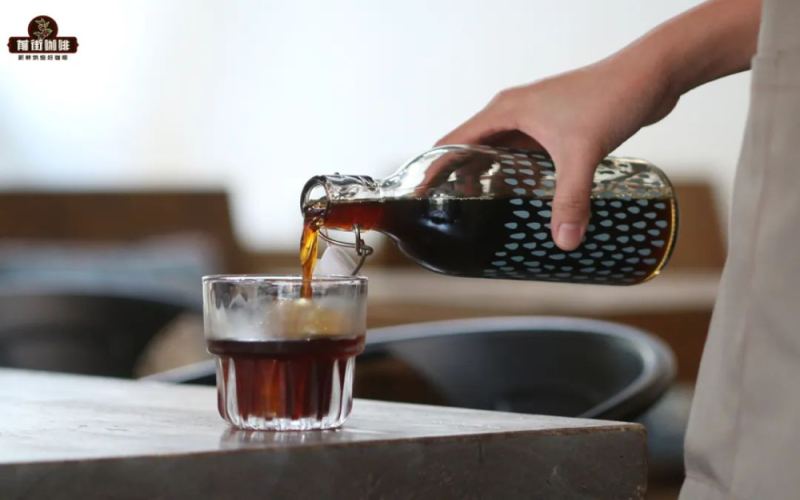
What are the taste characteristics of cold brew coffee? What key points should be noted when making cold brew coffee at home? How does Honduran Sherry cold brew coffee taste?
The reason people usually love cold brew coffee is its rich, smooth mouthfeel, with just the right acidity and sweetness, and it's neither astringent nor bitter. If you use fermented-flavor coffee beans to make it, the cold brew will also present a rich wine-like aroma, just like drinking a chilled fruit wine. How do you make cold brew coffee? Many friends have become hooked on [more…]

Yirgacheffe Cold Drip Coffee | What is the extraction principle of cold brew coffee? How to make cold drip coffee with washed Yirgacheffe?
Still in the scorching summer of Guangdong, everyone is crazy about iced coffee. Even the cold brew coffee at Front Street Coffee's stores has been "swept clean." Many friends ask Front Street Coffee whether they can make cold brew coffee at home and how to do it. Next, Front Street Coffee will have a good chat about how to make a delicious cup of cold brew coffee. What is the principle of cold brew coffee? In understanding [more…]
How to choose between a manual coffee grinder and an electric coffee grinder? A complete guide to buying considerations for beginners, from burr structure to budget needs.
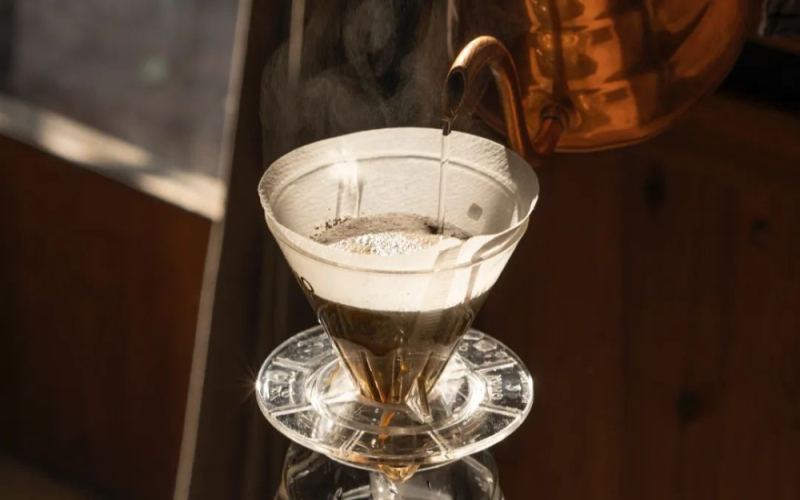
As more and more people start brewing coffee at home, the grinder has become an indispensable piece of key equipment. Unlike a dripper or a pour-over kettle, which play only supporting roles, the quality of the grind directly influences how the flavor shows up in the cup. Yet when you open a shopping platform, grinder prices range from just over twenty yuan all the way to tens of thousands, and this huge price gap leaves many beginners unsure where to start. This article, drawing on Front Street's buying experience, will compare hand grinders and electric grinders in terms of burr structure, grind uniformity, portability, and price range, and offer specific recommendations for two scenarios—under a thousand yuan and with a generous budget—to help you find the one that truly suits you among the bewildering array of options. [more…]
Cold Brew Coffee Bean Selection Guide: From Flavor Pairing to Front Street Brand Recommendations and the Complete Home Brewing Process
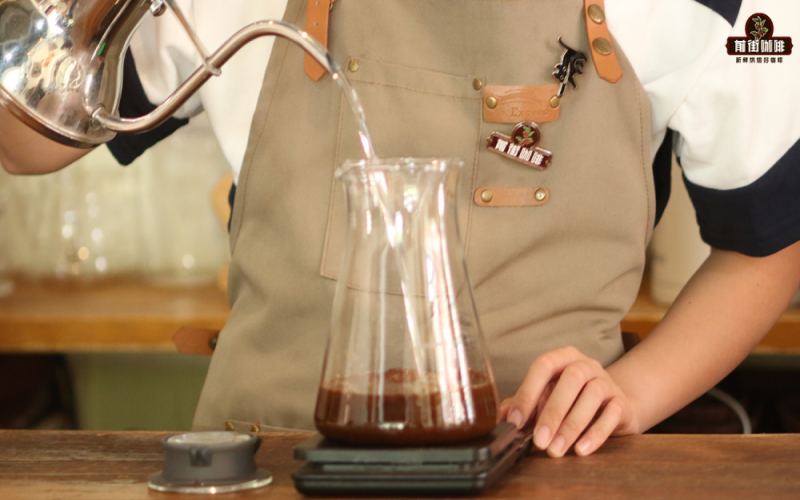
Cold brew coffee, with its sweet, full-bodied taste and low bitterness, is attracting more and more coffee lovers to try making it at home. But which beans to choose, how coarse to grind, and how to control the flow rate often leave people at a loss. This article starts with the difference between cold brew and ice drip, explains why low-temperature extraction produces less bitterness, and gives specific recommendations for floral and fruity coffee beans, including Front Street. Sun-Dried Huakui, Front Street. Washed Butterfly, Front Street. Strawberry Candy, Front Street. Mozart, and Front Street Xizhua, among other options. Then, using in-store practice as a reference, it explains in detail the structure of the ice drip pot, grinding standards, drip rate settings, coffee-to-water ratio, and filter paper placement and other key details, to help you consistently make a cup of clean-flavored ice drip coffee at home. [more…]
The Complete Guide to Brewing Yirgacheffe at Home: V60 and Cake Cup Parameter Testing and Cost Per Cup Analysis
Yirgacheffe is Ethiopia's proud specialty coffee calling card, and also the entry-level choice and long-time beloved favorite of countless coffee enthusiasts. This article focuses on Front Street Yirgacheffe: first analyzing the berry and floral-fruity notes in its dry and wet aromas, comparing the flavor differences between natural and washed processing methods; then breaking down the structural features of the V60 conical dripper and the Kalita cake cup, including Front Street's complete tested brewing parameters, covering grind size, water temperature, coffee-to-water ratio, and extraction time; finally providing purchasing reference, a half-pound 227 grams sells for only 80-90 yuan, with a single cup costing about five or six yuan, allowing you to easily brew a high-quality cup of Yirgacheffe at home. [more…]
Conical vs. Flat-Bottom Dripper Showdown: Extraction Differences and Brewing Essentials of the Hario V60 and Kalita Wave
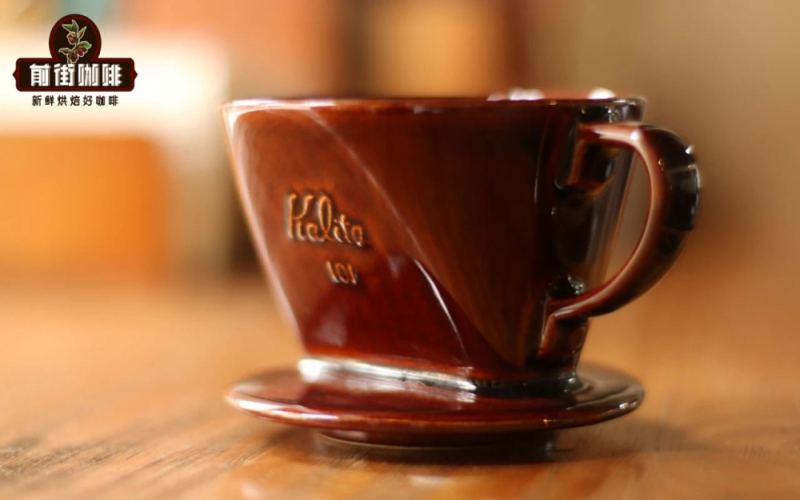
In the third wave of specialty coffee, pour-over coffee has become the top choice for many enthusiasts thanks to its clean cup profile and its ability to showcase origin flavors. As the core piece of equipment, the dripper's shape design directly affects the extraction path—conical drippers represented by the Hario V60 emphasize layers and fruit acidity, while the flat-bottom dripper pioneered by the Kalita Wave focuses on balance and sweetness. Front Street Coffee commonly uses the V60 in its daily production. This article will systematically compare the extraction logic of the two drippers from the perspectives of pouring uniformity, coffee bed depth, rib structure, and drain hole design, and will include three-pour brewing parameters for the flat-bottom dripper to help you find a clearer direction in equipment selection and technique adjustment. [more…]
Flavor Characteristics and Key Operational Points of Flat-Bottom Dripper Coffee Brewing: From Structural Principles to Front Street Coffee's Practices with the Sidra Variety
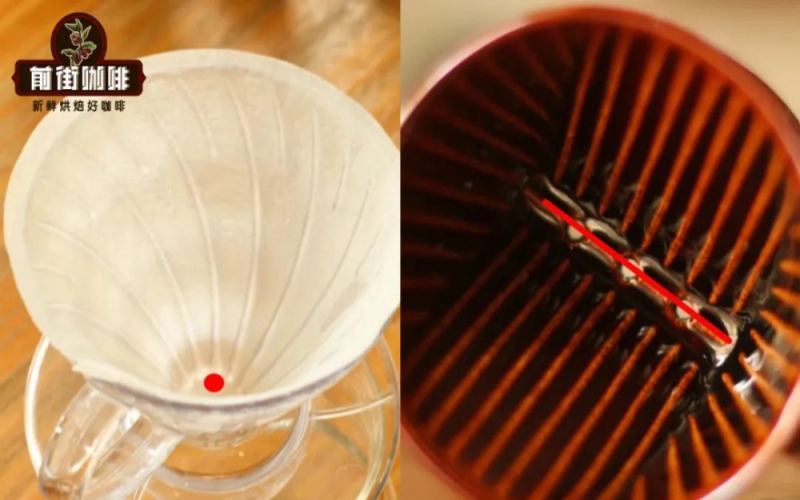
Flat-bottom drippers have gradually drawn attention in the pour-over field in recent years. The extraction performance brought by their flat bottom and special flow-guiding structure differs noticeably from common conical drippers. This article starts with the background of the birth of the Kalita Wave, sorting out the design origins of flat-bottom drippers, the distribution characteristics of their flow-guiding ribs, and their influence on water flow paths, then compares them with the extraction logic of conical drippers such as the V60. After that, using Front Street Coffee's Colombia·Frontera Chiroso as an example, it shares a three-pour brewing recipe suited to flat-bottom drippers, recording the actual brewing time and tasting impressions to help coffee enthusiasts understand the unique aspects of flat-bottom drippers in flavor presentation. [more…]
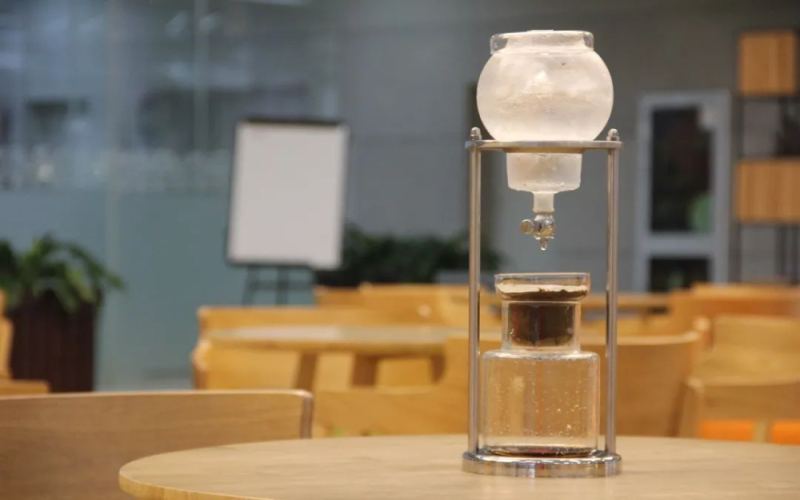
How long is the ideal shelf life for cold brew coffee? A full breakdown of its taste characteristics and key brewing points
Cold brew coffee, with its mellow sweetness and acidity and refreshingly cool, pleasant flavor, has become a highly sought-after coffee drink in summer. It is made by slowly drip-extracting with ice water, then cold-fermenting at low temperature. After many enthusiasts get their hands on a cold brew tower, they are often confused about grind size, flow rate, coffee-to-water ratio, and shelf life. Using Front Street Coffee's store output as a reference, this article demonstrates the cold brew coffee-making process in detail, answers how to set the drip parameters, and explains how long the brewed coffee liquid can be stored and how the flavor changes over time. It also recommends several coffee beans suitable for making cold brew, including different types such as refreshing floral and fruity, fermented winey, and rich fruity tea notes, helping you make a cup of full-flavored cold brew coffee at home. [more…]
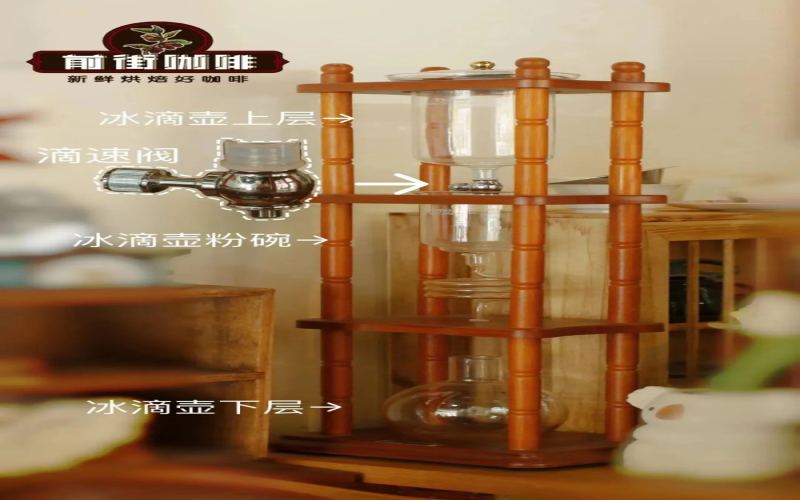
Cold Brew Drip Coffee Maker Practical Guide: From Extraction Principles to Coffee Bean Selection and Refrigeration Storage Tips
With its pure, smooth taste and unique fermented aroma, cold drip coffee has become a highly favored coffee beverage in summer. Starting from the hands-on practice at Front Street Coffee's stores, this article systematically sorts out the differences between cold drip and cold brew, the assembly structure of a cold drip tower, and the methods for setting grind size and drip rate. It also recommends three coffee beans suitable for making cold drip, and finally explains the optimal refrigeration period and flavor change patterns of cold drip coffee, helping enthusiasts recreate a cup of richly layered cold drip coffee at home. [more…]
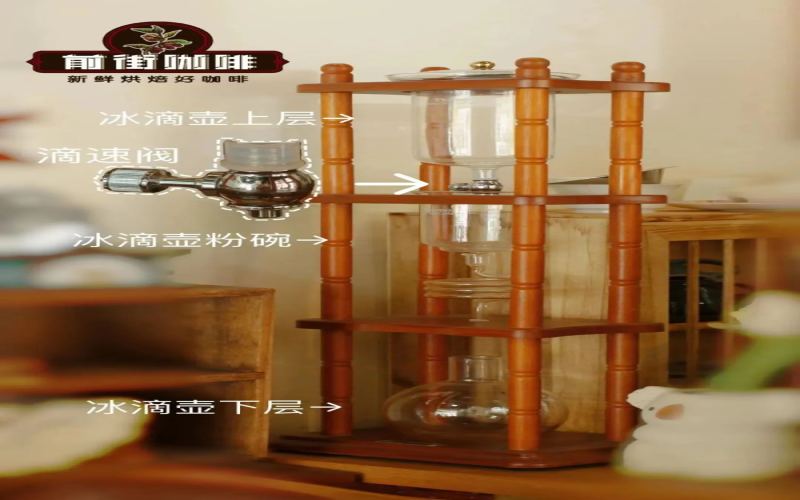
Cold Brew Coffee Bean Recommendations | What is the extraction principle of cold brew coffee? How to make cold brew at home? How can coffee beginners choose single-origin beans for cold brew?
Ice drip coffee is made by slowly melting pure ice into small water droplets that evenly drip onto freshly ground coffee powder to extract the coffee essence, which is then naturally fermented through eight hours of refrigeration. Ice drip coffee has a mellow, pure taste, a pleasant balance of sweetness and acidity, and a refreshingly cool flavor, making it a must-have popular drink at Front Street Coffee every hot summer. What is the principle behind ice drip coffee? [more…]
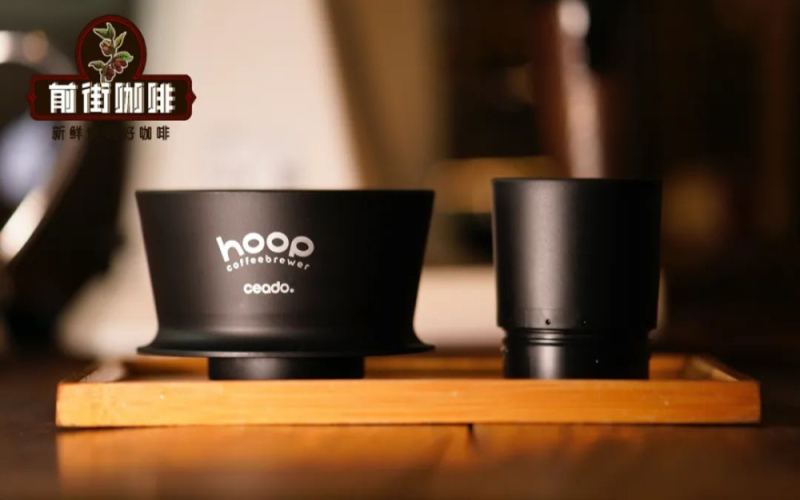
Hoop Dripper Brewing Techniques Explained: Grind Settings and Flavor Differences Compared to V60
The Hoop dripper from the Italian brand Ceado won the 2023 SCA Best Product of the Year award thanks to its unique ring-shaped water dispensing structure. It completely separates the water dispensing zone from the coffee bed, with water seeping laterally from the outer water crown through 12 small holes into the filtration tower, creating a slow, immersion-like extraction. This design eliminates the need for consistent pouring technique, but places more refined demands on grind size and water temperature. Front Street tested three coffees—Sidra, Yirgacheffe Kochere, and Golden Mandheling—to compare the flavor differences between the Hoop and the V60, and compiled six practical tips, including checking the filter paper seal,适配 of the server, and the consideration of a purchase cost as high as 280 yuan. [more…]

Cold Brew Coffee Low-Temperature Extraction Principle Explained: Home Brewing Steps and Four Front Street Coffee Fruity Coffee Bean Recommendations
On a scorching summer day, a glass of cold brew coffee always brings a refreshing, fruity experience. Cold brew coffee uses ice water to drip evenly; after 6 to 8 hours of low-temperature extraction and then overnight refrigeration and fermentation, it ultimately presents a unique flavor that is sweet and mellow with only a faint bitterness. Starting from the scientific principles of low-temperature extraction, this article will break down in detail the process of making cold brew coffee, including key steps such as equipment selection, coffee bean pairing, grind size control, drip rate and coffee-to-water ratio settings, and recommend four Front Street Coffee beans suitable for making cold brew—Huakui, Kenya Little Tomato, Xizhao, and Huahudie—to help you make a cup of outstanding fruity cold brew at home. [more…]
Cold Brew Coffee Bean Selection Guide and Home Brewing Method: A Complete Analysis from Grinding, Flow Rate to Refrigerated Fermentation
Ice drip coffee, through its pure ice drip filtration and low-temperature fermentation process, presents a mellow, sweet, and refreshingly cool taste, making it a highly favored coffee beverage in summer. Starting from the store practices of Front Street Coffee, this article systematically sorts out the differences between the two common methods of low-temperature extraction—cold brew and ice drip—and explains in detail the structure of the ice drip pot, the choice of grind size, the control of drip speed and coffee-to-water ratio, as well as the grasp of refrigeration fermentation duration. At the same time, focusing on the two major directions of refreshing floral and fruity notes and rich fruity tea notes, it recommends two coffee beans suitable for making ice drip coffee, Front Street Elida Estate Catuai and Front Street Natural Huakui, helping enthusiasts recreate at home a clean-flavored, richly layered ice drip coffee. [more…]
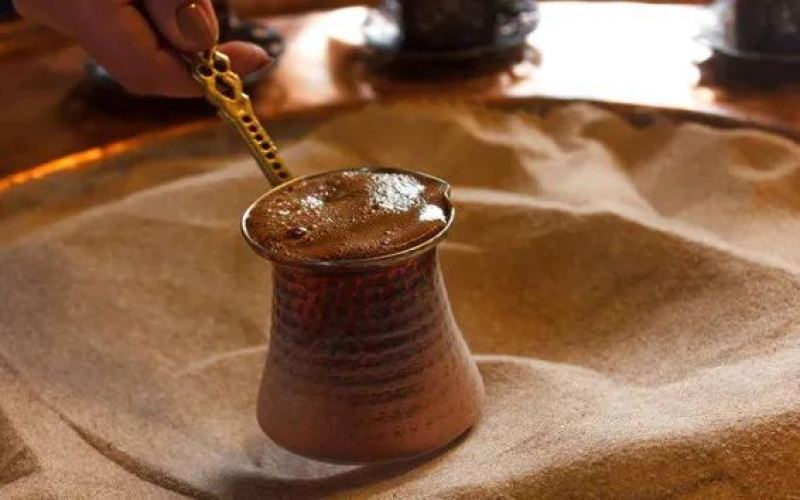
Why Isn't Turkish Coffee Filtered? A Complete Guide to the Meanings of Fortune-Telling Patterns and Their Cultural Origins
Turkish coffee is famous for its unique brewing method and rich cultural flavor. It does not use filter paper; it is drunk together with the grounds and liquid, and is made by repeatedly boiling three times in hot sand. Passed down from the Ottoman Empire to the present day, this coffee is not only a beverage but also carries the tradition of fortune-telling. This article will guide you through the historical origins, brewing principles, and steps of Turkish coffee, and provide a detailed analysis of the meanings of common patterns in coffee ground fortune-telling, such as the full moon, half moon, heart shape, and ring, allowing you to fully appreciate the charm of this ancient coffee culture. [more…]
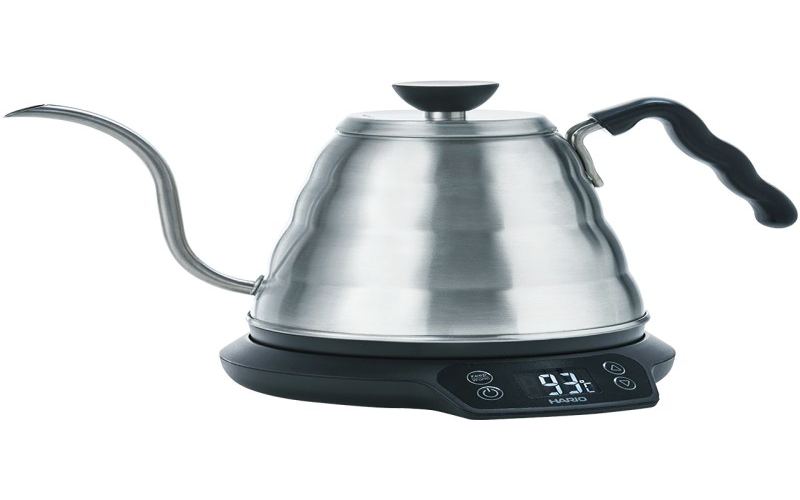
Types of Pour-Over Kettles | How to Choose a Japanese-Style Pour-Over Coffee Kettle? Which Material Is Best for Beginners Just Starting Out with Pour-Over Coffee? Introduction to Using a French Press
When it comes to choosing coffee equipment, opening a shopping platform and seeing all kinds of coffee gear can leave you not knowing where to start. Take pour-over coffee kettles, for example—although most are made up of a spout, body, handle, and lid, different shapes and structures produce different pouring effects. So [more…]